Store Page
Description / Background
Glossary
Objectives
Scope
Location
How to find ..
How to set ..
Sequence Diagram / Flow
ERD
Backend Implementation
Frontend Implementation
PRD & Task
Design
API Blueprint
New Query
DB Schema / Database Migration
Improvement:
Title
Store page (Update UI Phase 1)
Description / Background
Since hotjar was unofficially introduced to the product team, we can monitor recordings of user interaction on the website, which indicates that the majority of users find the store page’s information is hard to comprehend.
- Store’s Picture; design is out of date, picture display layout is not effective (50, 25, 25). Causes picture display in cropped, losing opportunity to let users perceive good pictures by glance.
- Store’s information; it’s all-over the place, some is unnecessary (almost zero interaction), users don’t know if it is clickable or just to inform.
- Review section; second place that most of the users tries to look for is barely known that it can be accessed by clicking on the score button, causing users scrolling down all the way to the bottom section, skipping all of the product (packages), in order to read reviews from other users (customers). In addition, currently each star rating is not filterable, and the customers don’t know which package the review is applicable to, so review photos are not utilized/ displayed properly. HH offers section; less informative as it should be, customers still don’t understand available offers and what each can do. Moreover, there are two levels of HH offers, store level and package level, both are not clearly introduced to users.
Objectives
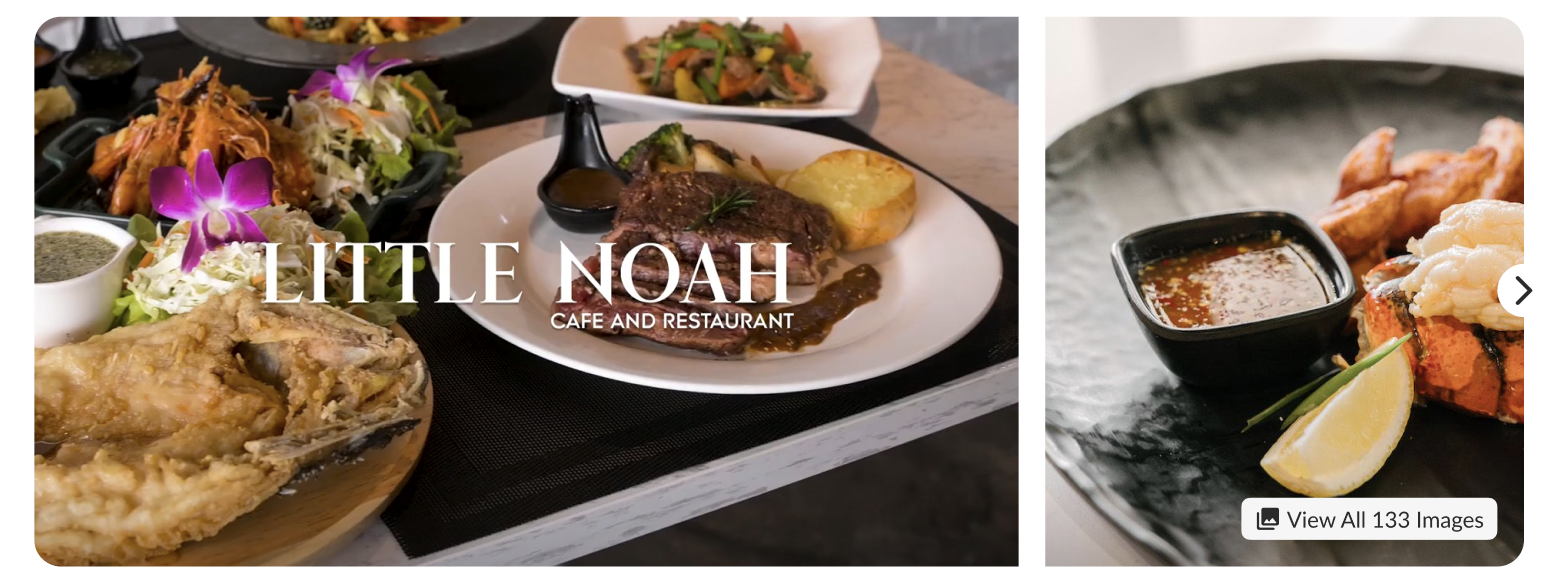
- user can see store picture and videos(change every 8 seconds)
- user can see how many store picture and video
- user can open store picture gallery page
- user can see 3 category(all, store and review) on gallery picture
- user can see the offers explanation(overlay not full page)
- user can see store review, and how many people that review it
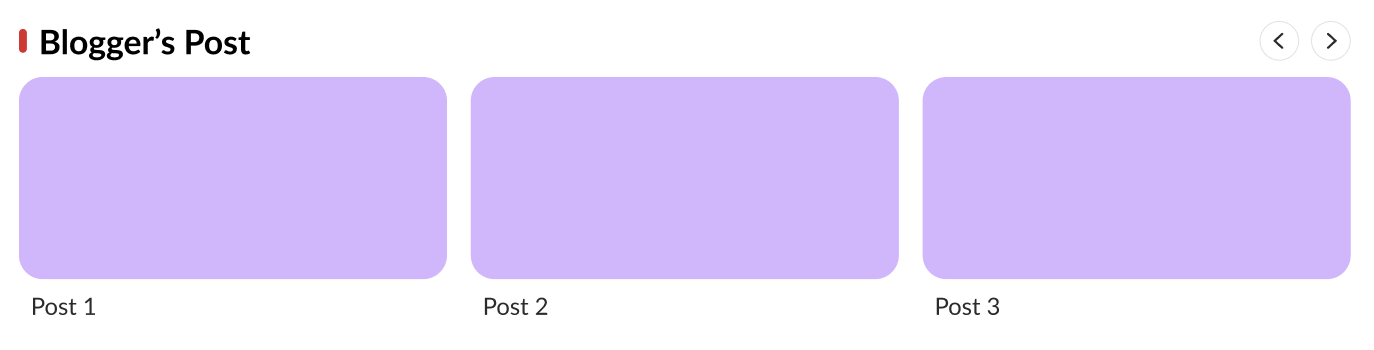
- user can see the blogger post(Card list; when click navigate user to blogger’s review page)
- user can see the store main information:
- Store’s location (i)
- Main cuisine (ii)
- Opening hours (iii)
- Available outlets (branches) (iv)
Scope
- All platforms
Sequence Diagram / Flow
ERD
DB Schema / Database Migration
| Column Name | Data Type | Description |
|---|---|---|
API Blueprint
| Method | Path | URL | Description | Payload |
|---|---|---|---|---|
New Query
Notes, Constraint & Assumptions
Gallery Page
- Divided into 3 categories; All, Store, and Reviews.
- All; including Store and Review pictures.
- Store; picture/videos uploaded from admin dashboard.
- Review; pictures uploaded from users same as it they used for review. Offers that are accepted in this store; each will have an explanation for users for better understanding.
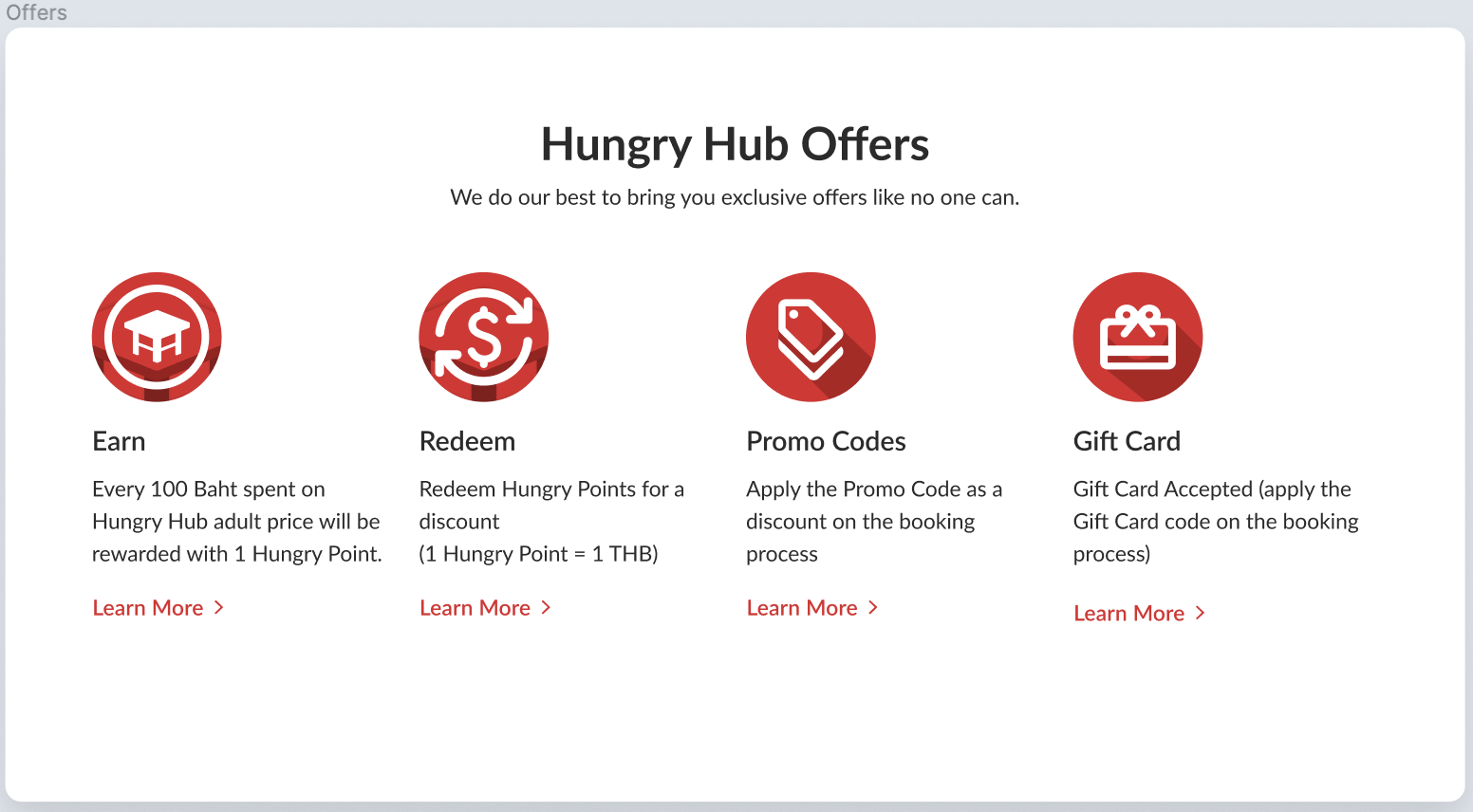
- Earn Points
- Redeem Points
- Promo Code
- Gift Card Store’s Review section (Overlay + Full Page)
- Overall score
- Blogger’s post
- Card list; when click navigate user to blogger’s review page
- Reviews
- Star rating (number of reviews included)
- Users can filter by selecting the star rating.
- Sorting from 5 to 1 star.
- One review card will consist.
- Reviewer’s profile (profile pic, name)
- Star rating that users gave.
- Reviewed date
- Review picture
- Review content
- Read more button
- Star rating (number of reviews included)
- Read more for review content
- View Package button
- In case No.1, if the booking was created with only one package, it will navigate to the package landing page.
- In case No.2, if the booking was created with multiple packages, it will have an overlay pop-up that shows the booked packages in carousel format.
- Package card pop-up; if clicking the photo, it will navigate to the package landing page.
- Package card pop-up; if clicking the book button, it will navigate to the booking process, pre-selected with that package.
TODO / Task List / Action Items
References
https://docs.google.com/document/d/1tXGlyHdkDvmO5_fD9xvW9YTDRYLJLxk0eKY7WBhqUFQ/edit
Change History
| NO | Date Time | What Chaged | Description |
|---|---|---|---|
Store Page Desktop
Description / Background
Glossary
Objectives
Scope
Location
How to find ..
How to set ..
Sequence Diagram / Flow
ERD
Backend Implementation
Frontend Implementation
PRD & Task
Design
API Blueprint
New Query
DB Schema / Database Migration
Improvement:
Design
PRD
https://docs.google.com/document/d/1HarEloxni8Y9srRAuCoxuooMB5dNXIP9fom3AbU8i2U/edit
Quick Tab Bar
It will display at the top of the store page. If the user clicks one of these tabs, it will navigate to that section.
Store Overview
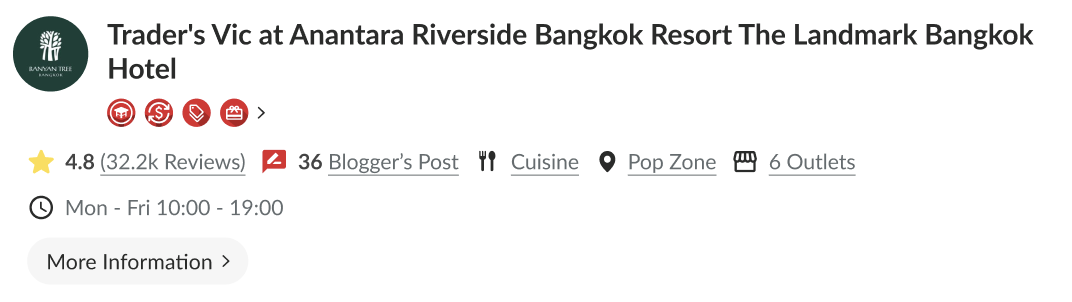
Same as restaurant info in mobile version. Parameter that we use from restaurant object:
- logo_url
- name
- reviews_score
- reviews_count
- location/primary_location.name
- cuisine/primary_cuisine.name
- weekday_opening_hours
- branch_id (optional) Others:
- Blogger count from: API {{ base_api }}/restaurants/{id}/blogger_reviews.json
- Outlet count from: API {{ base_api }}/branch/{branch id}/restaurants.json
Offers Information
This will show if we click the offers icon for the explanation of each offer. Learn more; will navigate to the FAQ page. Learn more link:
Information Page
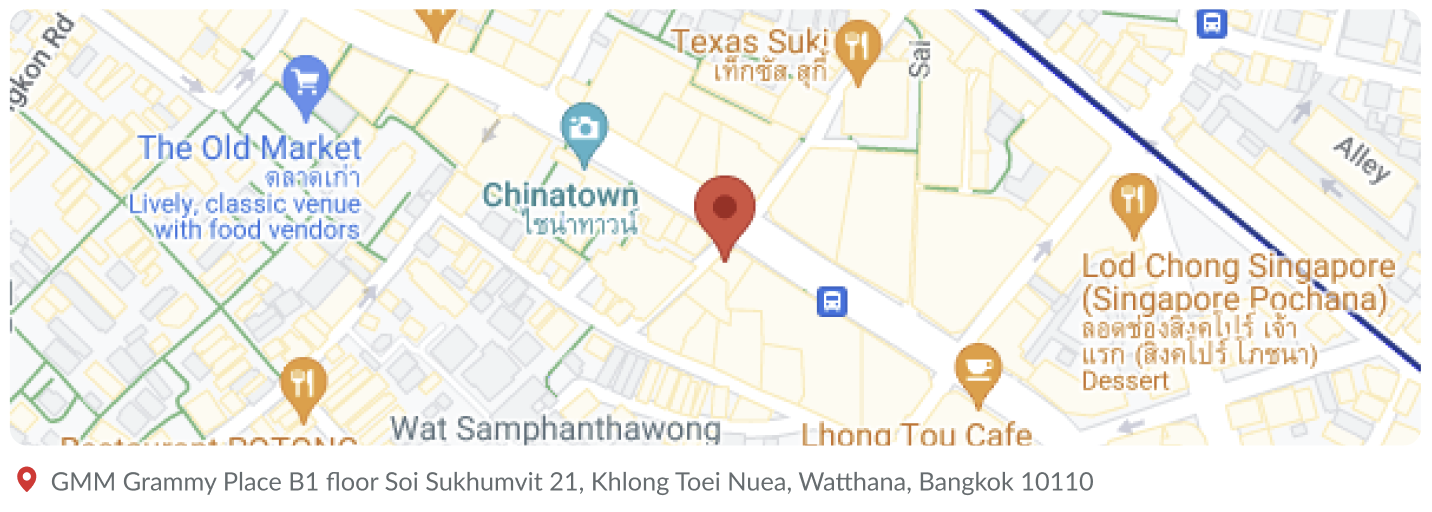
Location Section In the address section we can use “restaurants” object params:
- address
- lat
- lng
- map_location (for open in google maps link)
For Map UI we can use static mapbox.
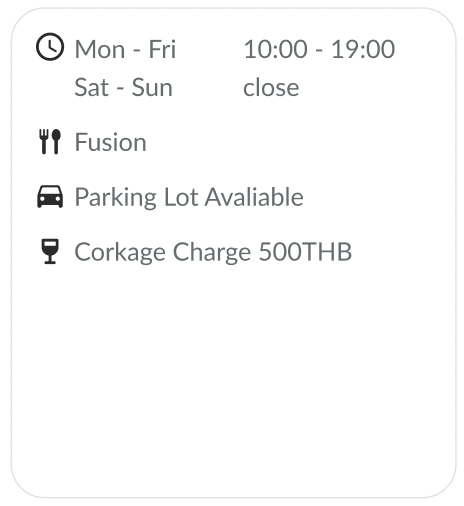
 Opening Hours and Primary Info
This logic same as above we can use param:
Opening Hours and Primary Info
This logic same as above we can use param: - weekday_opening_hours
- cuisine
- parking
- corkage_charge
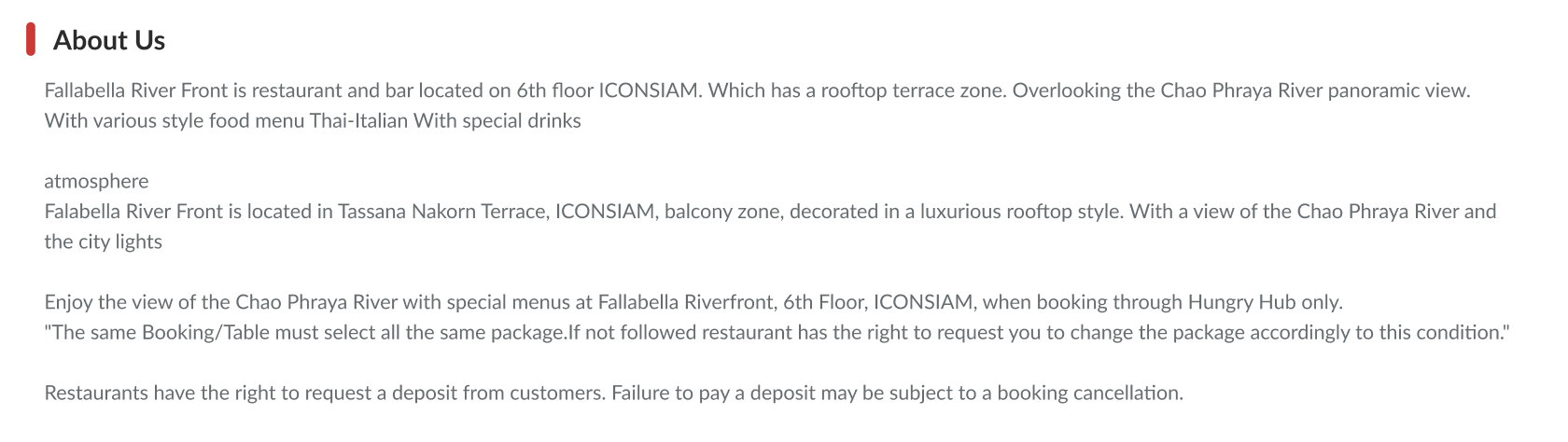
About Us On this section we’ll use param:
- description
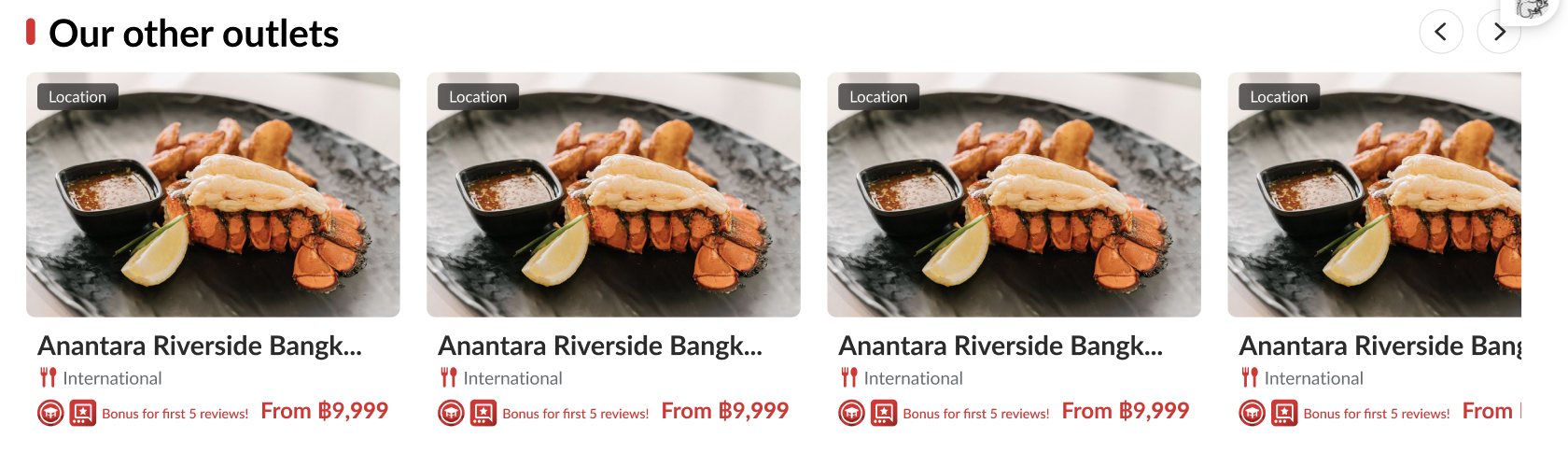
Our other outlets For restaurant that has branch_id, we can use this API:
- API {{ base_api }}/branch/{branch id}/restaurants.json
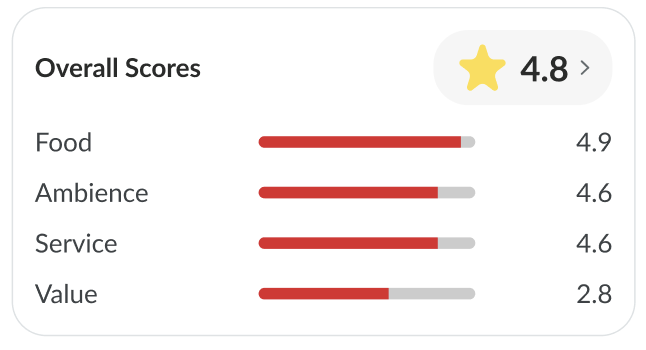
Overall Score
It will navigate to the customers review section. Overall score will use the new API.
URL: {base_url}/api/v6/restaurants/{id}/reviews.json
Store’s Picture
- Will display 1 and a half of the next picture, with auto change within 8 seconds.
- Arrow button; click to see the next picture.
Gallery Page
View all button can view all photos of that store.
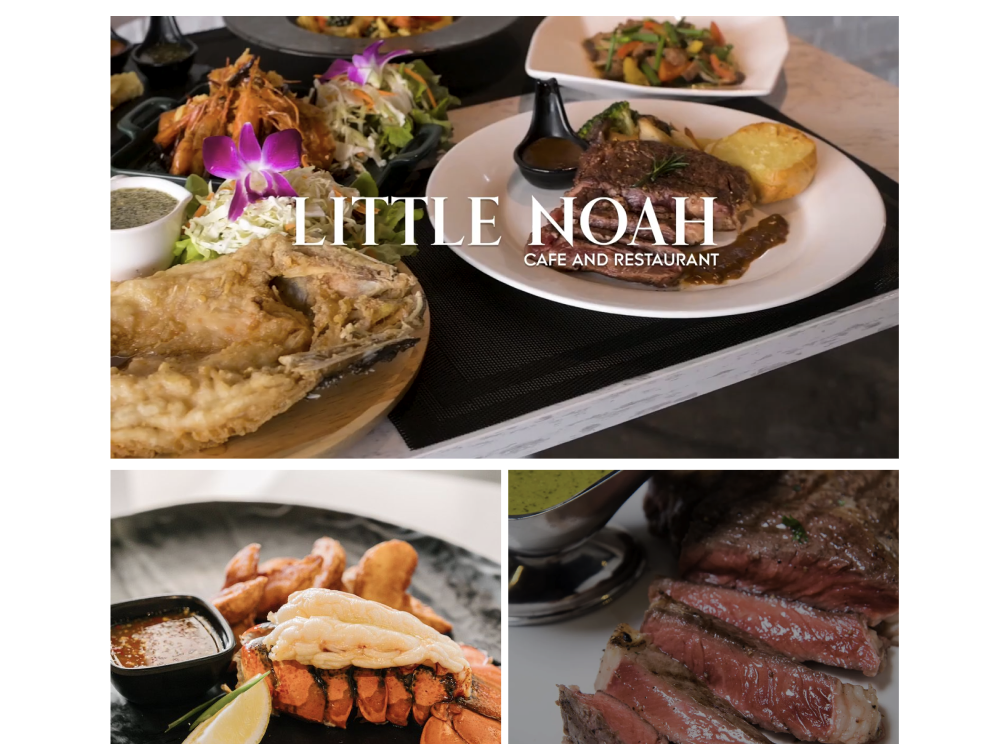
- Overlay gallery page will show after clicking.
- Quick tab bar at the top of the overlay page; if the user clicks one of these tabs, it will navigate to that section.
- There are 3 types of gallery;
- All
- Store
- Review

Gallery View
Blogger’s Post
For blogger’s post now will more simple with showing cover and when we click that will open the URL. No need to create native component inside the app.
API: {{ base_api }}/restaurants/{id}/blogger_reviews.json
Review Count
Reviews count will use the new API. We can sort by clicking star rating. URL: {base_url}/api/v6/restaurants/{id}/reviews.json
		"stars_count": {
			"one": 5,
			"two": 6,
			"three": 12,
			"four": 44,
			"five": 240
		}

Customer’s Review
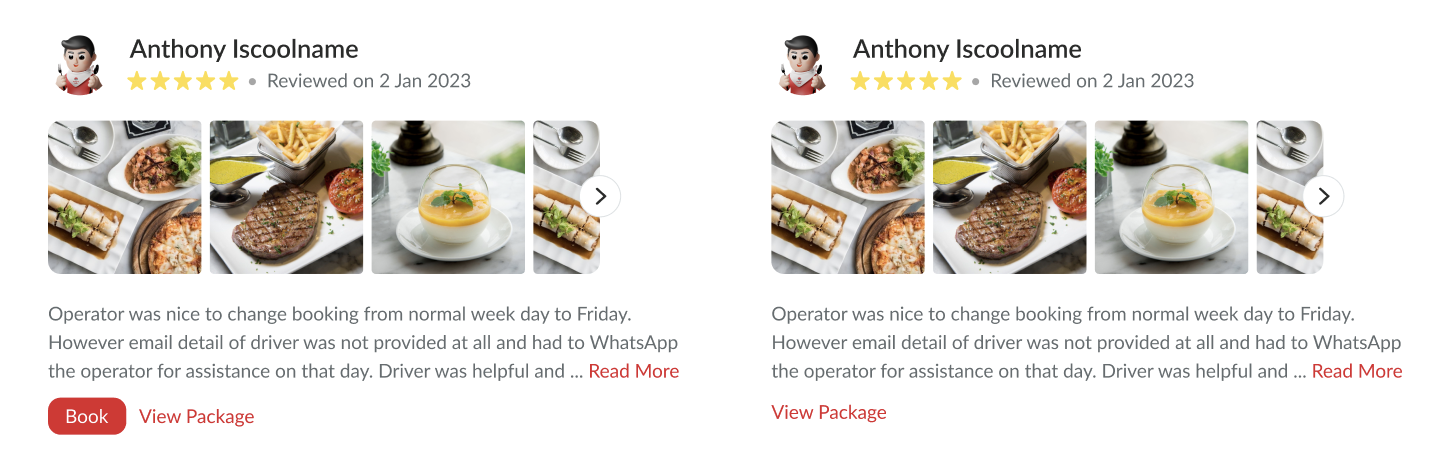
What we’ll show:
- Reviewer’s profile picture
- Reviewer’s name
- Star rating that reviewer gave.
- Reviewed date
- Review picture
- Review content
- Read more button
- Read more for review content View package button
- In case No.1, if the booking was created with only one package, the booking process section (11) will show up and the page will scroll up to the booking process section.
- In case No.2, if the booking was created with multiple packages, it will have an overlay pop-up that shows the reviewer’s booked packages.
- Package card pop-up; if clicking the book button, the booking process section will show up and the page will scroll up to the booking process section. Book button
- If clicking the book button, the booking process section will show up and the page will scroll up to the booking process section. API: {{ base_api }}/reviews.json Payload:
{
	"restaurant_id": 3127,
	"minor_version": "{{ minor_version  }}",
	"page": {
		"number": 1,
		"size": 10
	}
}
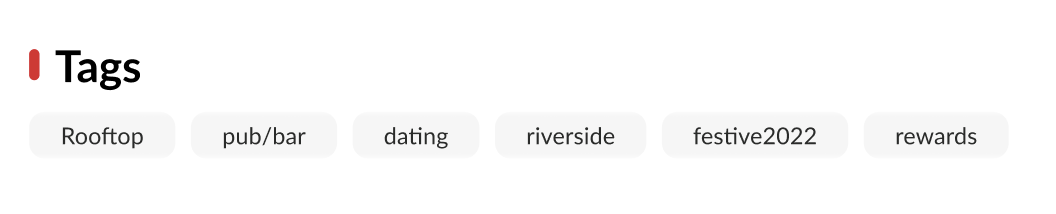
Search Tags
For this section we will use a new API to get tags based on restaurant id. When clicking any of the tags, it will redirect the user to the search page displaying the outlets tagged to the selected tag URL: {base_url}/api/v6/restaurants/{id}/hashtags.json when we click will trigger web-event onTagsClicked with payload:
{
	"id": 268,
	"title": "Outdoor"
}
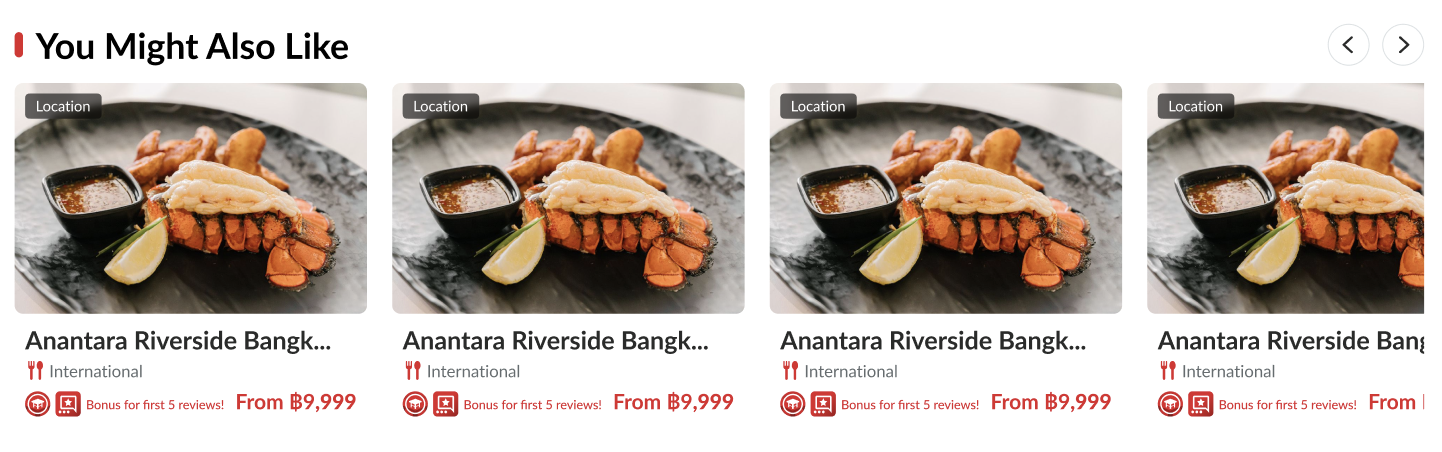
You Might Also Like
This one is section that we have on the bottom restaurant page.
- It should be the same logic filtered by primary cuisine. Every time that user refreshes, data will be changed.
- Maximum 8 slots of the carousel format.
- Arrow button; click to see the next picture.
- All slots that show on are sorted by nearest location first.
- If the location service is off, the cards are sorted by the number of bookings in the past 24 hours from highest to lowest
API: {{ base_api }}/restaurants/{id}/similar.json